
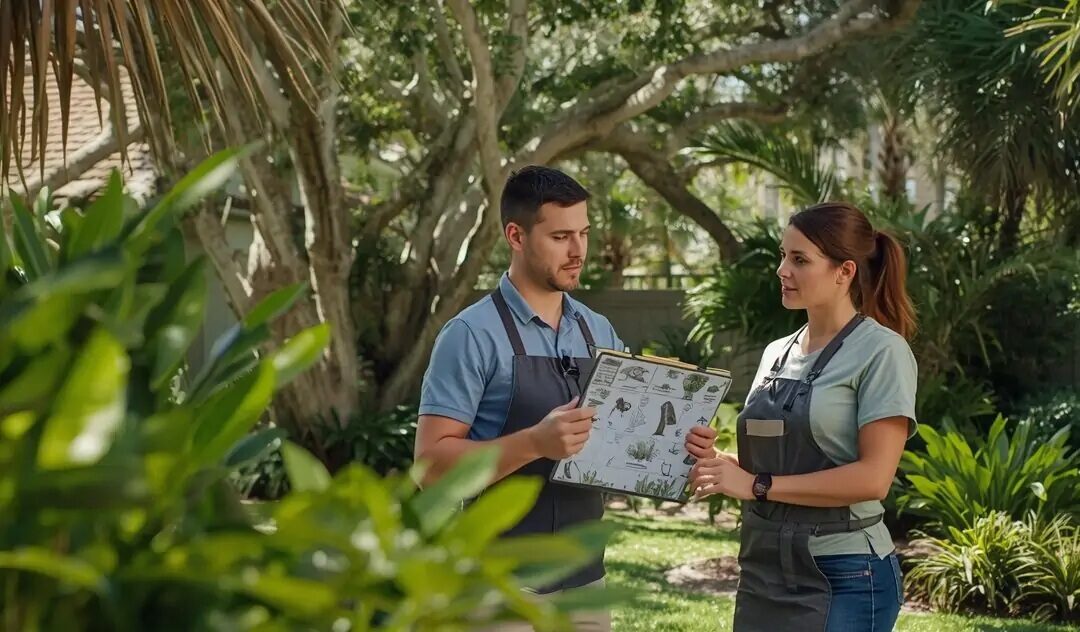
South Florida has a climate unlike anywhere else in the country. Warm temperatures, high humidity, sandy soils, and seasonal storms all play a role in how trees grow and survive. Choosing the right species for your property is not just about looks. It affects shade, maintenance costs, storm safety, and long-term health of your landscape.
At Marshalls Tree Service and Landscaping, homeowners often ask which trees actually thrive here rather than just survive for a few years. This guide breaks down what makes South Florida unique, which trees perform best, and how to choose the right fit for your space.
Understanding South Florida’s Growing Conditions
Before picking a tree, it helps to understand what it will face once planted.
South Florida’s environment includes:
- A tropical to subtropical climate with mild winters
- Long rainy seasons followed by dry periods
- Sandy or limestone-based soil with low nutrient retention
- High salt exposure near coastal areas
- Strong winds and hurricanes during storm season
According to research from the University of Florida IFAS Extension, trees adapted to these conditions are far more likely to develop strong root systems and resist storm damage. Non-adapted species often struggle with root rot, nutrient deficiencies, or wind failure.
Location also matters. Properties in Miami-Dade County tend to have more limestone soils, while parts of Broward County and Palm Beach County may have deeper sandy soils with better drainage. Knowing your soil type helps narrow down smart options.
Native vs Non-Native Trees: What’s the Difference?
Many homeowners wonder if native trees are always the best choice. In South Florida, native species often have clear advantages, but some non-native trees can still perform well if chosen carefully.
Native trees:
- Are adapted to local rainfall and soil
- Support birds, butterflies, and other wildlife
- Typically require less water once established
- Handle local pests and diseases better
Well-adapted non-native trees:
- Can add variety in shape or color
- May offer faster growth for shade
- Still need to tolerate heat, humidity, and storms
The key is avoiding invasive species or trees that grow too large for residential spaces. Invasive trees can damage ecosystems and are costly to remove later.
Trees That Thrive in South Florida Landscapes
These species are widely recognized for their durability, beauty, and suitability for residential and commercial properties in South Florida.
Live Oak
Live oaks are iconic throughout Florida and for good reason.
Why they work well:
- Strong, wide-spreading roots
- Excellent wind resistance when properly pruned
- Dense canopy that provides deep shade
- Long lifespan
They need space to grow, so they are best suited for larger yards or open areas.
Gumbo Limbo
Often called the “tourist tree” due to its peeling bark, the gumbo limbo thrives in South Florida’s climate.
Benefits include:
- High tolerance to wind and salt
- Low maintenance once established
- Attractive bark and open canopy
- Native status that supports local wildlife
This tree performs especially well near coastal areas.
Mahogany
West Indian mahogany is another strong performer.
Key traits:
- Straight trunk and symmetrical shape
- Durable wood and stable root structure
- Moderate shade coverage
- Good resistance to storm damage
Mahogany trees are commonly used as street trees and work well in residential settings with enough space.
Bald Cypress
Although often associated with wetlands, bald cypress adapts well to many South Florida yards.
Why homeowners choose it:
- Handles both wet and dry conditions
- Develops strong vertical structure
- Offers seasonal interest with soft needles
- Long lifespan with minimal pest issues
It works best in areas with room for root expansion.
Sabal Palm
Florida’s state tree is a reliable choice for many properties.
Advantages include:
- High tolerance to wind and salt
- Minimal pruning needs
- Fits smaller spaces better than large canopy trees
- Native species with strong storm performance
Palms do not provide dense shade, but they add height and structure to landscapes.
Matching Trees to Your Property Size and Layout
A healthy tree starts with the right placement. One of the most common mistakes is planting a large tree too close to a home, driveway, or power lines.
When planning placement, consider:
- Mature height and canopy width
- Distance from buildings and fences
- Underground utilities and septic systems
- Sun exposure throughout the day
For smaller yards:
- Choose slow-growing or medium-sized trees
- Consider palms or ornamental natives
- Avoid species with aggressive surface roots
For larger properties:
- Shade trees can lower cooling costs
- Wider canopies create natural outdoor living spaces
- Group plantings can improve wind resistance
Storm Safety and Wind Resistance
Storm preparation starts long before hurricane season.
Research shows that tree species with strong wood, deep roots, and balanced canopies are less likely to fail in high winds. Proper pruning also plays a major role.
Storm-smart tree tips:
- Avoid topping trees, which weakens structure
- Prune regularly to remove dead or crossing branches
- Space trees so canopies do not collide
- Choose species known for wind resistance
Trees like live oak, gumbo limbo, and sabal palm consistently rank high in post-storm survival studies across Florida.
Soil Preparation and Planting Basics
Even the right tree can fail if planted incorrectly.
Best practices include:
- Digging a wide planting hole, not a deep one
- Keeping the root flare slightly above ground level
- Avoiding excess soil amendments in native ground
- Mulching lightly without covering the trunk
South Florida soils drain quickly, so proper watering during the first year is critical. After establishment, many native trees require little supplemental irrigation.
Maintenance Expectations Over Time
Different trees come with different maintenance needs. Understanding this upfront helps prevent frustration later.
Low-maintenance trees:
- Sabal palm
- Gumbo limbo
- Live oak once mature
Moderate-maintenance trees:
- Mahogany
- Bald cypress
- Fruiting trees that drop debris
Regular inspections by a professional help identify issues early, especially after storms or heavy rains.
Common Tree Selection Mistakes to Avoid
Many tree problems can be traced back to poor initial choices.
Avoid:
- Planting fast-growing, weak-wood trees
- Ignoring mature size on plant tags
- Choosing invasive species
- Planting too close to structures
- Skipping professional guidance in complex landscapes
A little planning saves years of stress and unexpected costs.
Choosing the Right Tree With Professional Guidance
Every property is different. Soil, space, drainage, and exposure all affect tree performance. A professional evaluation helps match the right species to the right location while accounting for long-term growth and safety.
Marshalls Tree Service and Landscaping works with South Florida homeowners to create landscapes that look good and last. From selection to planting and ongoing care, expert input makes a measurable difference in tree health and storm readiness.
If you are planning new plantings or replacing struggling trees, get expert guidance tailored to your property. Visit https://marshallstreeandlandscaping.com/ to schedule a consultation and start building a healthier, more resilient landscape.
Recent Comments