
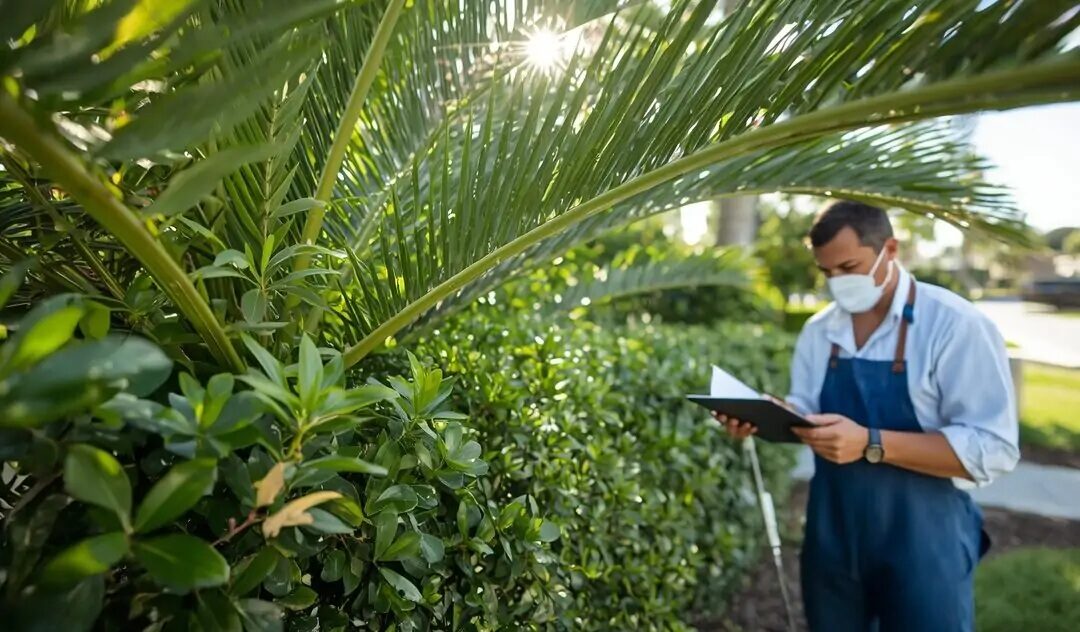
Whiteflies may be small, but their impact on South Florida landscapes can be serious. These tiny insects thrive in warm, humid climates and are especially active in residential yards, commercial properties, and ornamental plantings across the region. Left unchecked, they weaken plants, spread disease, and turn healthy landscapes into stressed, sticky messes.
Understanding how whiteflies damage plants and how routine landscape care helps control them is key to protecting trees, shrubs, and lawns. With consistent maintenance and early intervention, most whitefly problems can be managed before they cause lasting harm.
What Are Whiteflies and Why They Thrive in South Florida
Whiteflies are sap-sucking insects related to aphids and scale insects. They cluster on the undersides of leaves, where they feed on plant juices and reproduce quickly.
South Florida provides ideal conditions for whiteflies due to:
- Warm temperatures year-round
- High humidity levels
- Dense ornamental plantings
- Limited cold periods that would reduce populations
Because they have multiple life cycles each year, infestations can build fast if landscapes are not monitored regularly.
How Whiteflies Damage Trees and Plants
Whiteflies cause damage in several ways, both direct and indirect. The most immediate issue is sap loss. As whiteflies feed, they weaken the plant’s ability to move nutrients and water.
Over time, affected plants may show:
- Yellowing or curling leaves
- Stunted growth
- Premature leaf drop
- Reduced flowering or fruiting
Beyond feeding damage, whiteflies create additional problems that are often more noticeable.
The Sticky Problem of Honeydew and Sooty Mold
As whiteflies feed, they excrete a sugary substance called honeydew. This sticky residue coats leaves, branches, and anything below the plant, including patios, cars, and walkways.
Honeydew creates the perfect environment for sooty mold, a black fungus that grows on the surface of leaves. While sooty mold does not directly infect plants, it blocks sunlight and interferes with photosynthesis.
This combination leads to:
- Poor plant health
- Unsightly blackened foliage
- Increased stress on already weakened trees and shrubs
In many South Florida yards, sooty mold is the first visible sign of a whitefly infestation.
Plants Commonly Affected by Whiteflies
Whiteflies are not picky. They target a wide range of plants commonly found in South Florida landscapes.
Frequently affected plants include:
- Ficus hedges and trees
- Palms
- Hibiscus
- Ixora
- Vegetable and ornamental gardens
Once established, whiteflies can spread easily from plant to plant, especially in closely planted areas.
Why Whiteflies Are Hard to Eliminate Completely
Whiteflies are challenging because they reproduce quickly and hide well. Eggs and immature stages live on the undersides of leaves, where they are easy to miss during casual inspections.
They also develop resistance to certain treatments when the same methods are used repeatedly. This makes routine care and integrated management more effective than one-time solutions.
The Role of Routine Landscape Care
Consistent landscape maintenance is one of the most effective ways to control whiteflies. Healthy plants are better able to withstand pest pressure and recover from minor infestations.
Routine care includes regular inspections, pruning, and cleaning that disrupt whitefly life cycles and reduce favorable conditions.
Professional tree service and landscaping teams are trained to spot early signs of infestation before damage becomes widespread.
How Pruning Helps Control Whiteflies
Proper pruning improves airflow and light penetration, which makes plants less attractive to whiteflies. Removing heavily infested branches also reduces the overall population.
Targeted pruning helps by:
- Eliminating breeding areas
- Reducing humidity within dense foliage
- Improving spray coverage when treatments are applied
Ongoing tree trimming and landscaping services play a major role in“ keeping infestations manageable.
The Importance of Plant Health and Nutrition
Stressed plants are more vulnerable to pests. Poor soil conditions, improper watering, and nutrient deficiencies weaken natural defenses.
Routine care focuses on:
- Correct watering practices
- Soil health and drainage
- Balanced fertilization
- Mulching where appropriate
When plants are healthy, whiteflies are less likely to cause severe damage.
Washing and Physical Removal
In early stages, whiteflies can sometimes be reduced with simple physical methods. Spraying leaves with water helps dislodge adults and wash away honeydew.
This approach works best when combined with other maintenance practices and regular monitoring. While not a complete solution, it supports broader control efforts.
Integrated Pest Management Approach
Long-term whitefly control works best through integrated pest management. This approach combines cultural practices, biological controls, and targeted treatments when needed.
Instead of relying on heavy chemical use, professionals focus on balance. This protects beneficial insects while addressing the pest problem.
Experienced South Florida tree service providers understand how to apply this approach safely and effectively in local conditions.
Why Timing Matters
Whiteflies are easier to manage when addressed early. Once populations explode and sooty mold spreads, recovery takes longer.
Routine inspections allow issues to be caught during early life stages, when intervention is most effective. This reduces the need for aggressive treatments later.
Preventing Repeat Infestations
Whiteflies often return if the conditions that supported them remain unchanged. Ongoing maintenance helps break this cycle.
Prevention strategies include:
- Regular pruning schedules
- Monitoring plant health year-round
- Removing infested debris promptly
- Maintaining proper spacing between plants
Consistent care keeps landscapes less inviting to pests.
Protecting the Look and Value of Your Landscape
A healthy landscape adds beauty and value to any property. Whiteflies undermine both by damaging plants and creating messes that spread beyond the garden.
Routine care preserves curb appeal and prevents small issues from becoming expensive problems. It also supports long-term plant health in a challenging climate.
When to Call a Professional
Homeowners often notice whiteflies once sooty mold appears or leaves begin dropping. At that point, professional assessment can save time and prevent further damage.
Professionals have the tools and experience to evaluate the extent of the issue and recommend a plan that fits the property.
Working with a team that understands tree service and landscaping ensures that pest management is part of a larger strategy focused on plant health.
Keeping South Florida Landscapes Resilient
Whiteflies are a reality in South Florida, but they do not have to control your landscape. With routine care, early detection, and thoughtful maintenance, their impact can be reduced significantly.
Healthy plants, proper pruning, and consistent monitoring form the foundation of effective control. Over time, these practices create landscapes that are more resilient, attractive, and easier to manage.
If you are dealing with whiteflies or want to prevent future issues, Marshall’s Tree Service and Landscaping offers experienced care tailored to South Florida conditions. Learn how routine maintenance can protect your trees and plants by visiting https://marshallstreeandlandscaping.com/.
Recent Comments