
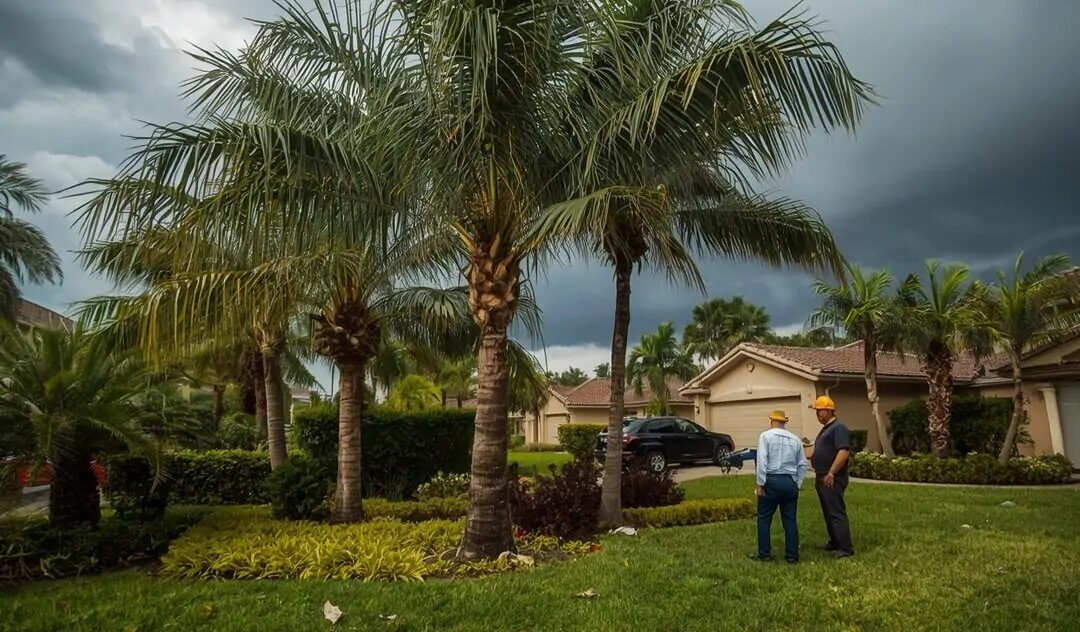
Trees add beauty, shade, and value to South Florida properties. They cool outdoor spaces, improve curb appeal, and help protect soil from erosion. Because they are so common, it is easy to assume trees will take care of themselves. In South Florida’s climate, that assumption often leads to expensive problems.
High humidity, heavy rains, strong winds, and intense sun put constant stress on trees. Without regular care, small issues quietly grow into safety risks and costly repairs. Many of these costs are not obvious at first, which is why neglected tree care often surprises property owners later.
This article explores the hidden financial, safety, and environmental costs of ignoring proper tree maintenance and why proactive care matters so much in South Florida.
Why South Florida Trees Need Ongoing Care
South Florida’s environment accelerates both growth and decline. Trees grow quickly due to warm temperatures and long growing seasons, but that fast growth can come at a cost.
Common regional challenges include:
- Rapid canopy growth that becomes unbalanced
- Shallow root systems in sandy or limestone soil
- Fungal diseases encouraged by humidity
- Salt exposure near coastal areas
- Seasonal storms that test structural strength
According to data from the University of Florida IFAS Extension, poorly maintained trees are far more likely to fail during storms than well-pruned and monitored trees. Regular care is not cosmetic. It directly affects stability and lifespan.
Property Damage That Adds Up Quickly
One of the most expensive consequences of neglecting tree care is property damage.
Unpruned branches can:
- Break off during storms and damage roofs
- Fall onto vehicles or fences
- Tear down power lines
- Crack windows or siding
Roots can be just as destructive. Over time, unmanaged roots may:
- Lift sidewalks and driveways
- Damage underground plumbing
- Interfere with septic systems
- Weaken foundations
What starts as a small crack or minor roof damage can turn into major repairs. In many cases, routine pruning and root management would have prevented the issue entirely.
Higher Storm Damage Risk
Storm season exposes weak points in neglected trees.
Trees that have not been properly pruned often develop:
- Heavy, uneven canopies
- Dead or decaying limbs
- Included bark where branches split
- Poor wind resistance
During high winds, these weaknesses increase the likelihood of limb failure or complete uprooting. Cleanup and emergency removal after a storm typically cost far more than preventive maintenance.
There is also the risk of blocked roads, damaged neighboring properties, and liability concerns if a tree causes harm. Proper care reduces these risks well before storms arrive.
Increased Liability and Safety Concerns
Neglected trees are not just a financial risk. They can be a serious safety hazard.
Falling branches can injure:
- Family members
- Guests
- Neighbors
- Pedestrians
If an accident occurs and a tree is clearly poorly maintained, property owners may be held responsible. Insurance claims related to tree damage often involve investigations into maintenance history.
Regular inspections help identify:
- Cracks in trunks or major limbs
- Signs of internal decay
- Leaning trees with unstable roots
- Deadwood hidden in dense canopies
Addressing these issues early protects people as well as property.
Rising Long-Term Maintenance Costs
Many property owners delay tree care to save money, but neglect usually has the opposite effect.
As problems grow, so do costs:
- Minor pruning turns into major corrective work
- Diseased trees require intensive treatment or removal
- Emergency services cost more than scheduled care
- Damaged landscapes need restoration after removals
A tree that could have thrived for decades with routine care may need to be removed prematurely due to neglect. Replacement costs include removal, stump grinding, new planting, and years of lost shade.
Tree Health Decline and Shortened Lifespan
Healthy trees live longer and require less intervention over time. Neglected trees experience chronic stress that shortens their lifespan.
Common signs of decline include:
- Thinning canopies
- Yellowing or dropping leaves
- Fungal growth on trunks
- Pest infestations
- Slow recovery after storms
South Florida’s humidity makes trees especially vulnerable to fungal diseases when airflow is restricted by overcrowded branches. Without proper pruning, moisture stays trapped, creating ideal conditions for decay.
Once internal damage sets in, it is often irreversible.
Impact on Property Value and Curb Appeal
Landscaping plays a major role in how a property is perceived. Mature, well-maintained trees increase visual appeal and can raise property value.
Neglected trees have the opposite effect:
- Overgrown branches block light
- Misshapen canopies look unbalanced
- Dead limbs signal poor maintenance
- Damaged lawns and hardscapes reduce appeal
Potential buyers and tenants notice these details. A yard dominated by unhealthy trees can suggest deeper maintenance issues, even if the rest of the property is well cared for.
Energy Costs You May Not Expect
Trees influence indoor comfort more than many people realize.
Well-placed, healthy trees:
- Provide shade that reduces cooling needs
- Lower surrounding air temperatures
- Protect roofs and walls from direct sun
Neglected trees may lose foliage or require removal due to instability. When shade disappears, homes absorb more heat, increasing air conditioning use and energy bills.
Preventive care helps preserve the benefits trees provide year after year.
Environmental Costs Beyond Your Property
Trees play an important role in South Florida’s ecosystem. When trees decline or fail prematurely, the impact extends beyond individual properties.
Healthy trees help:
- Reduce soil erosion during heavy rains
- Absorb excess stormwater
- Improve air quality
- Support birds and local wildlife
Neglected trees that fall or die contribute less to these functions. In some cases, invasive pests or diseases spread from weakened trees to nearby landscapes, creating broader environmental issues.
The Hidden Cost of Emergency Tree Services
Emergency tree removal is one of the most expensive services in tree care.
These situations often involve:
- Storm-damaged trees blocking access
- Trees leaning toward homes or power lines
- Immediate safety hazards that cannot wait
Emergency crews require specialized equipment and rapid response, which increases costs. Scheduled maintenance spreads expenses over time and reduces the likelihood of urgent situations.
How Regular Tree Care Prevents These Issues
Routine care focuses on prevention rather than reaction.
A proactive tree care plan may include:
- Periodic inspections by trained professionals
- Structural pruning to promote strong growth
- Removal of dead or weak branches
- Monitoring for disease and pests
- Guidance on watering and soil health
This approach keeps trees safer, healthier, and more predictable in their growth.
When to Schedule Tree Evaluations
Certain signs indicate it is time to have trees assessed.
Watch for:
- Branches touching structures
- Leaning trunks or exposed roots
- Sudden leaf loss outside seasonal patterns
- Cracks or cavities in trunks
- Repeated storm damage in the same areas
Annual evaluations are ideal, especially before hurricane season.
Investing in Care Saves Money Over Time
Tree care is an investment in safety, property value, and long-term savings. The cost of routine maintenance is far lower than the combined expense of emergency removals, repairs, and replacements caused by neglect.
In South Florida’s demanding climate, trees need guidance to grow safely and last.
Marshalls Tree Service and Landscaping helps property owners protect their landscapes through knowledgeable, responsible tree care. If you want to avoid the hidden costs of neglect and keep your trees healthy for years to come, visit https://marshallstreeandlandscaping.com/ to schedule a professional evaluation and take the first step toward safer, stronger trees.
Recent Comments